Successful Completion of the Lecture Cycle within the Jean Monnet Module “'EU Sustainable Practices as a Strategy for Preserving and Improving the Quality of Natural Resources Essential for Agricultural Production”

Within the Jean Monnet Module titled European sustainable values in Environmental and Agricultural policy (EUVALUESEAP)', supported by the European Commission and the European Education and Culture Executive Agency (EACEA), the lecture cycle on 'EU Sustainable Practices as a Strategy for Preserving and Improving the Quality of Natural Resources Essential for Agricultural Production' was successfully concluded at the University Business Academy. The sessions were held between September 4 and October 16, 2025.
"During this intensive program, Prof. Radivoj Prodanović, PhD, provided participants with the opportunity to gain detailed insight into the environmental standards and strategies applied by the EU to protect the environment and enhance agricultural production. The primary focus of the course was on bridging the gap between current practices and established European Union standards. The curriculum was designed to provide a deep understanding of sustainable air, soil, and water management; explain the mechanisms of environmentally responsible agricultural production; and facilitate the reform process of agricultural policy in the Republic of Serbia through the lens of EU principles and standards. In the context of climate change, the exchange of experience with the EU is crucial for preserving our country’s fundamental natural resources. Such programs enable domestic experts and producers to timely adapt to new market demands and environmental norms that are becoming standard in global agriculture.
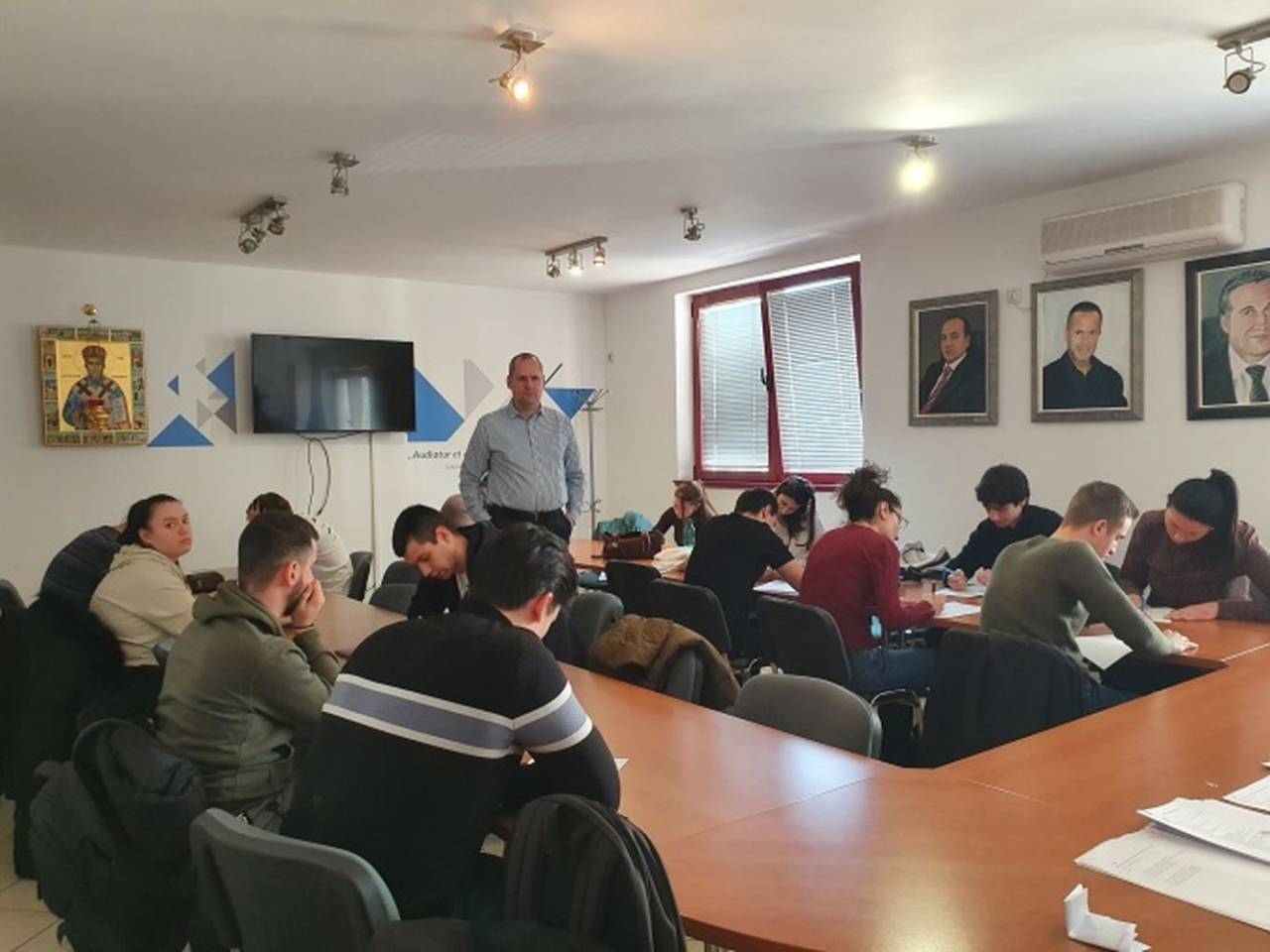
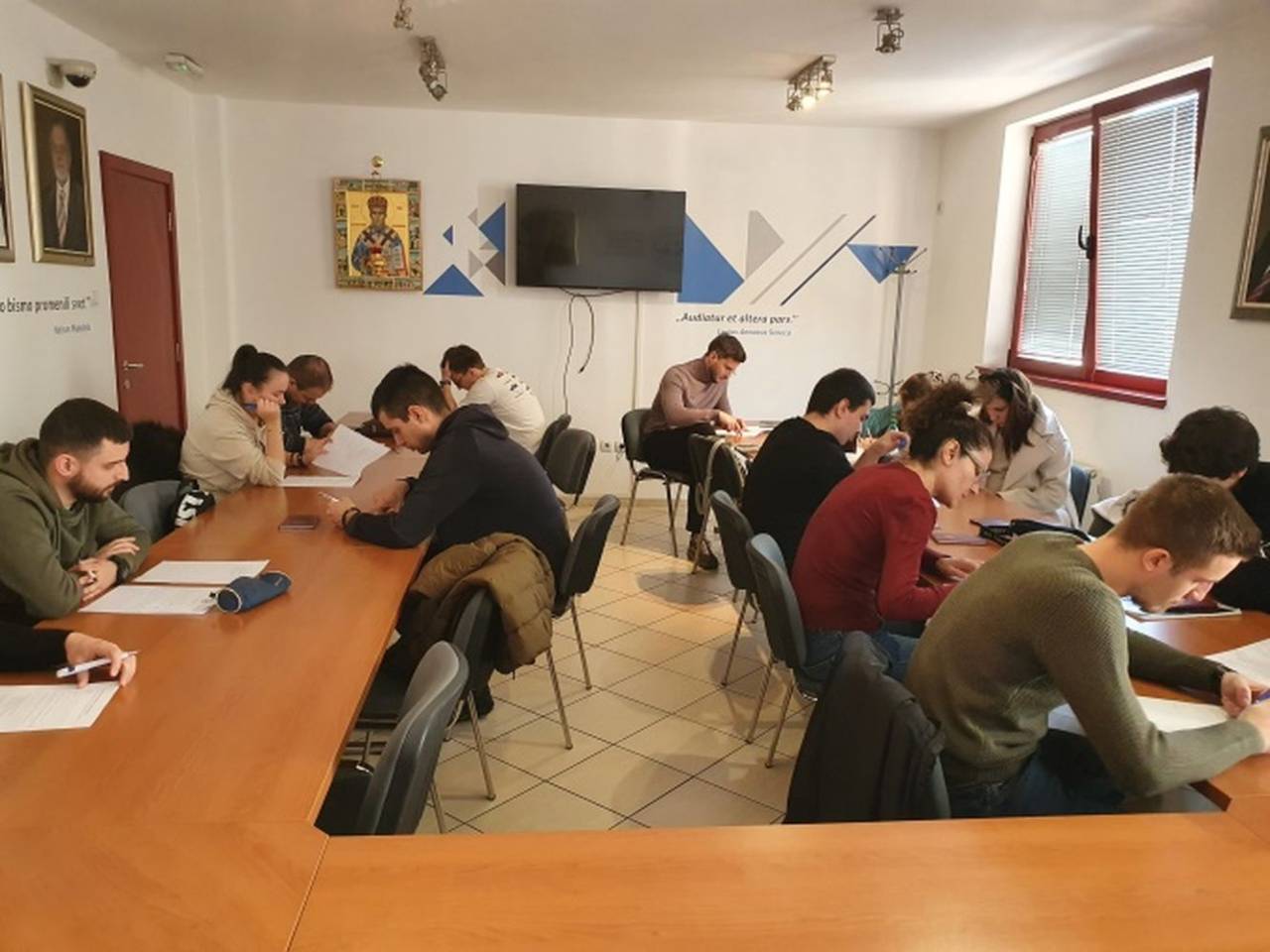
Following the completion of the lectures, a knowledge assessment was conducted. Through testing, students demonstrated a high level of understanding of the topics covered, confirming they have successfully acquired innovative knowledge and skills. These results are not only a testament to the quality of the lectures and the engagement of the participants but also evidence of the readiness of future engineers to practically apply concepts such as precision air quality monitoring in crop production, implementation of soil degradation prevention measures, and the efficient use of water resources in accordance with EU regulations.